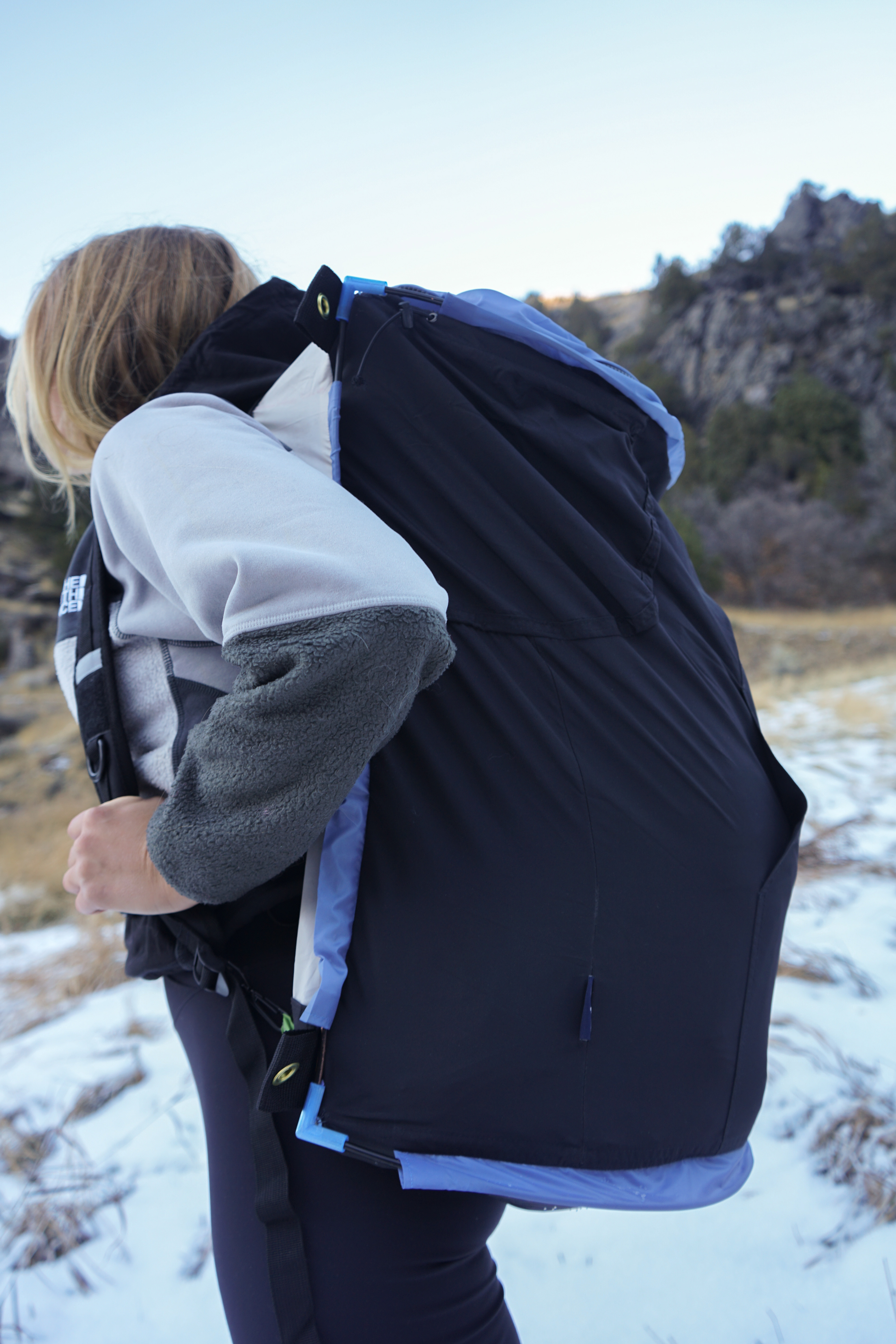
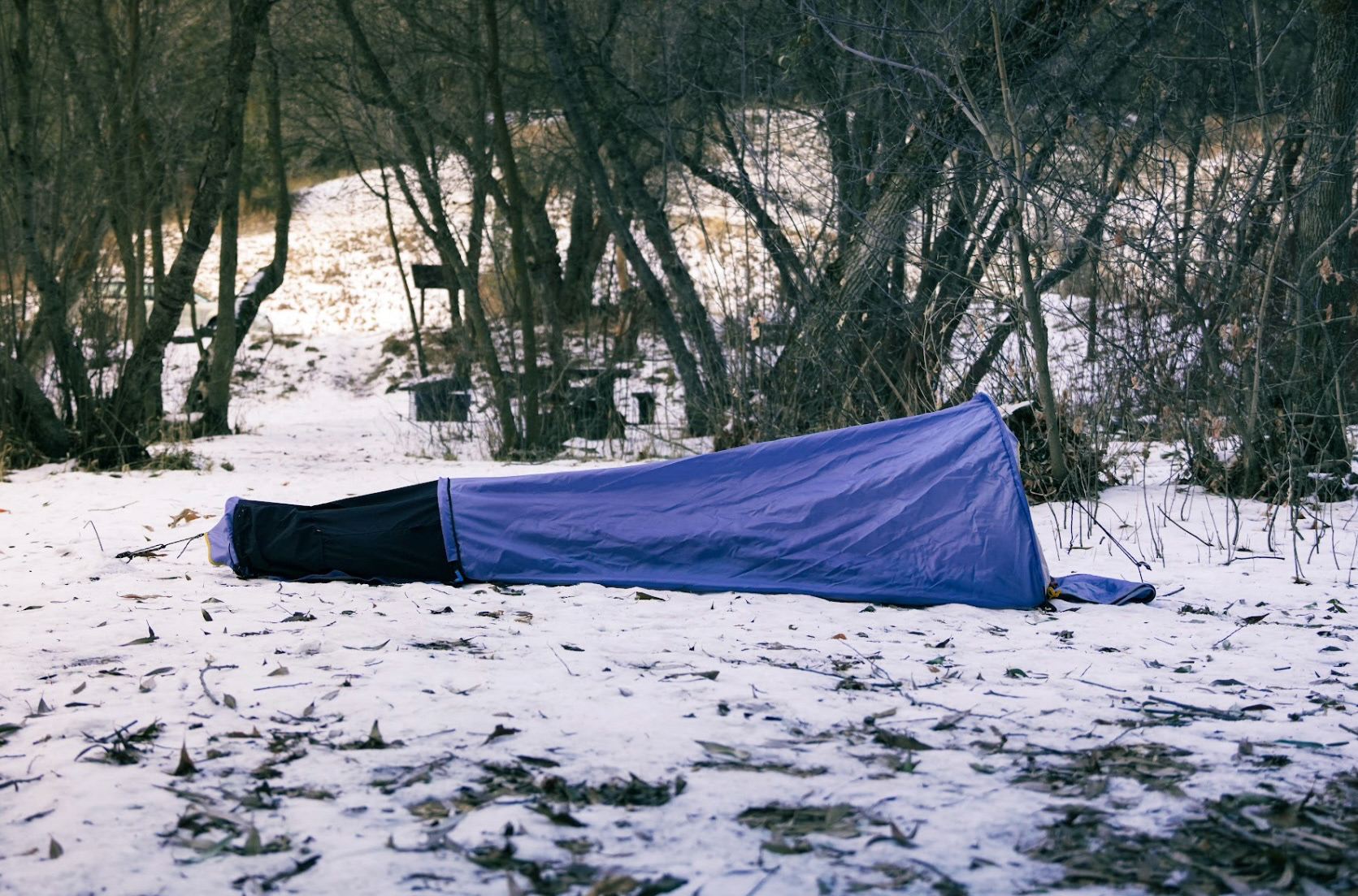
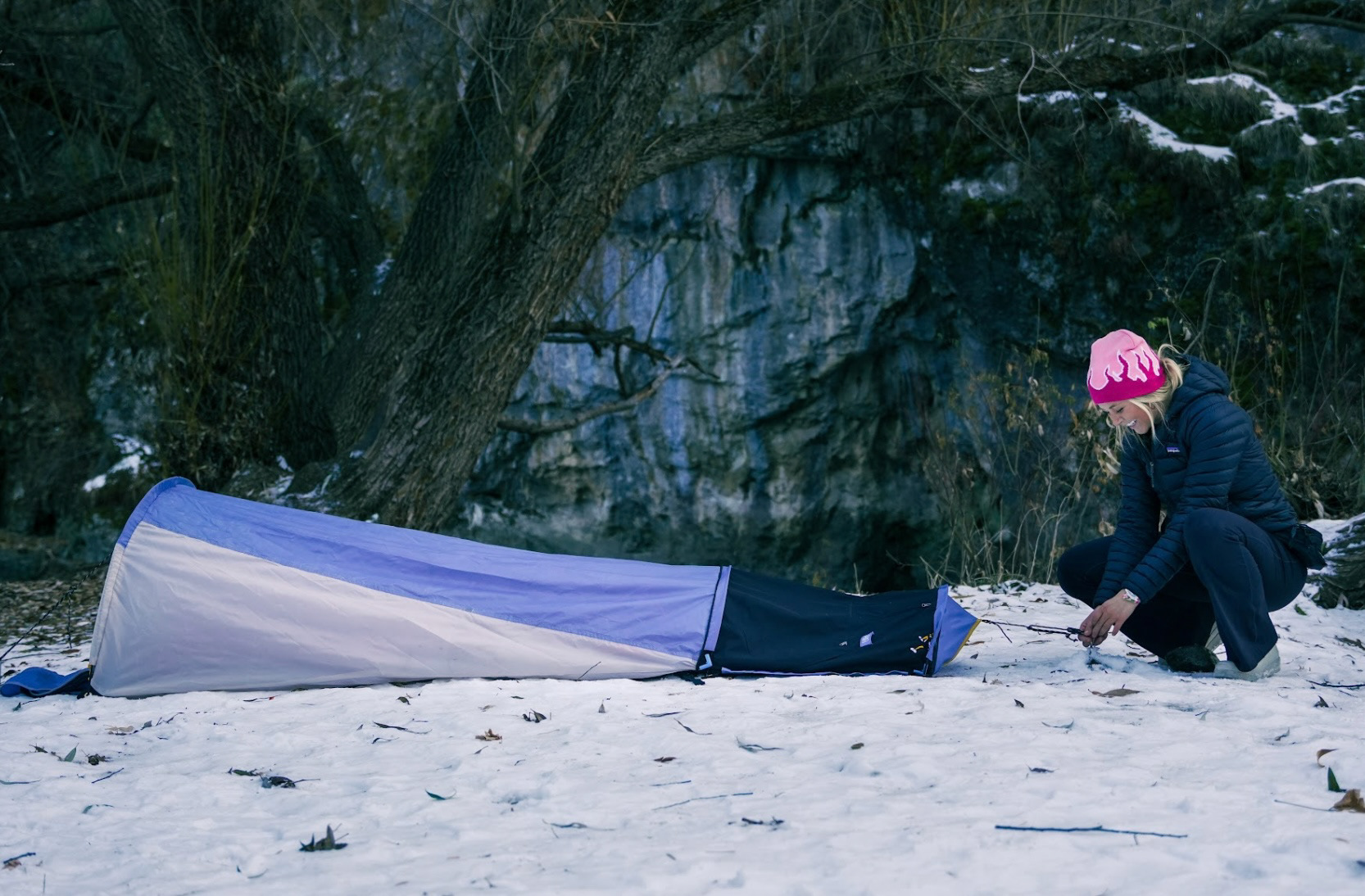
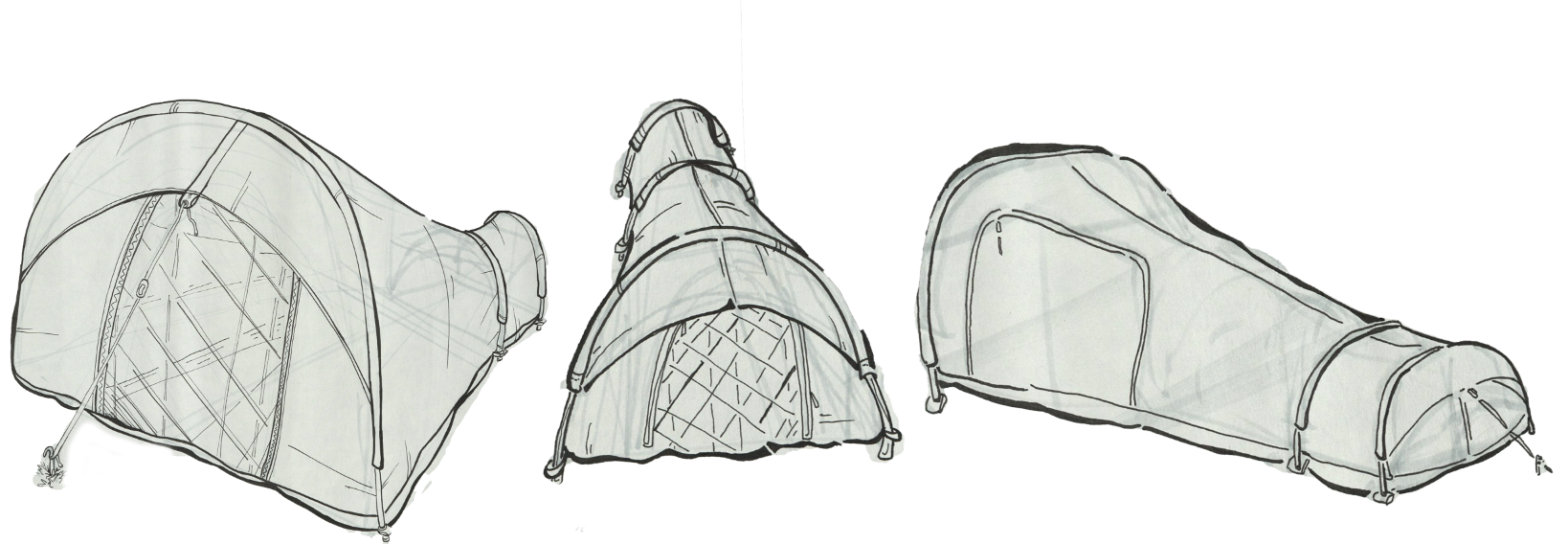
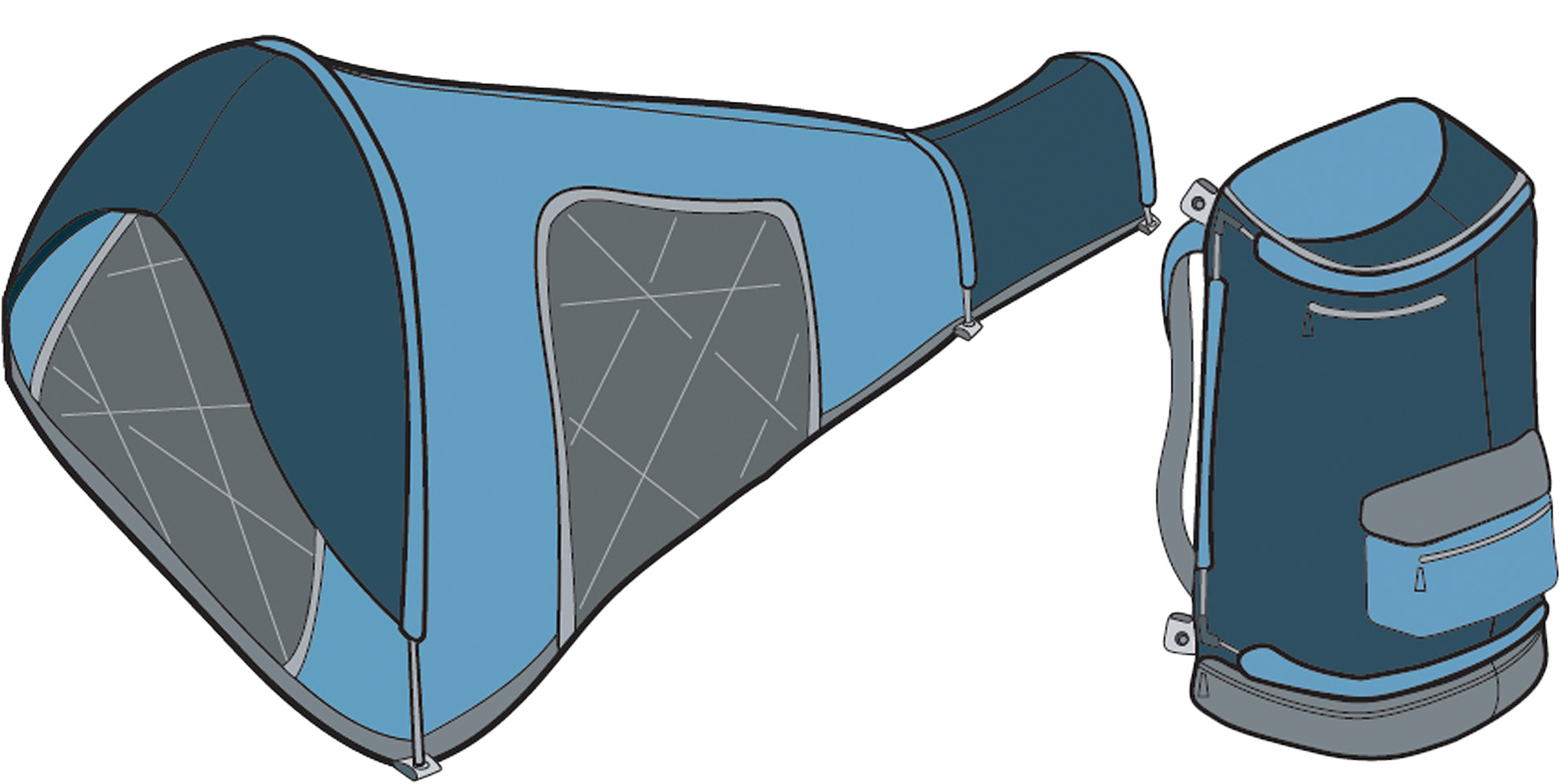
The Bodybag is ideal for a hiker looking to reduce packing weight, consolidate equipment, and ensure their tent/poles are never forgotten—since the tent/poles are the backpack itself, no piece can ever be left behind. All the poles used in the tent construction are also used in the structure of the backpack, and the backpack itself simply extends to tent length.
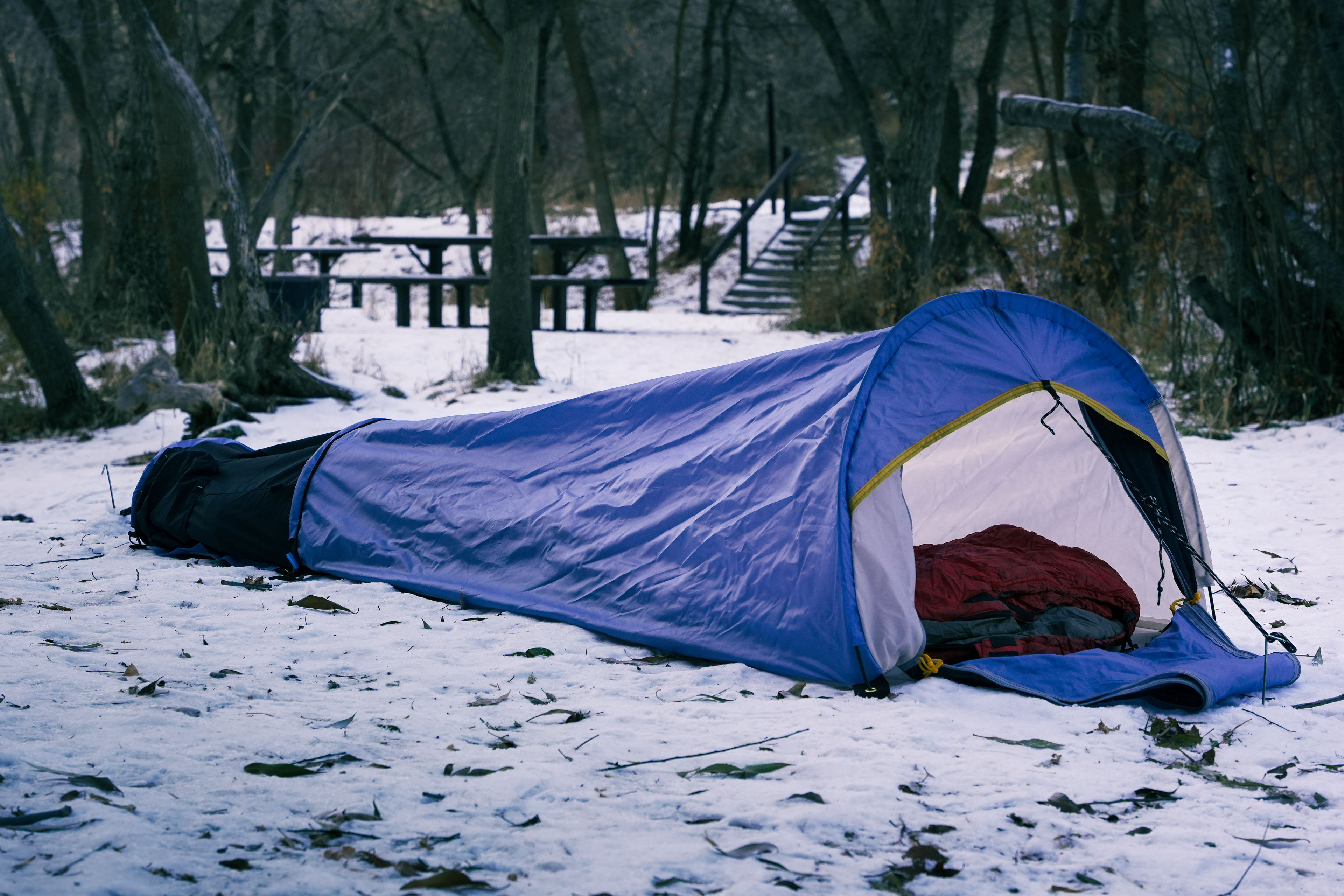
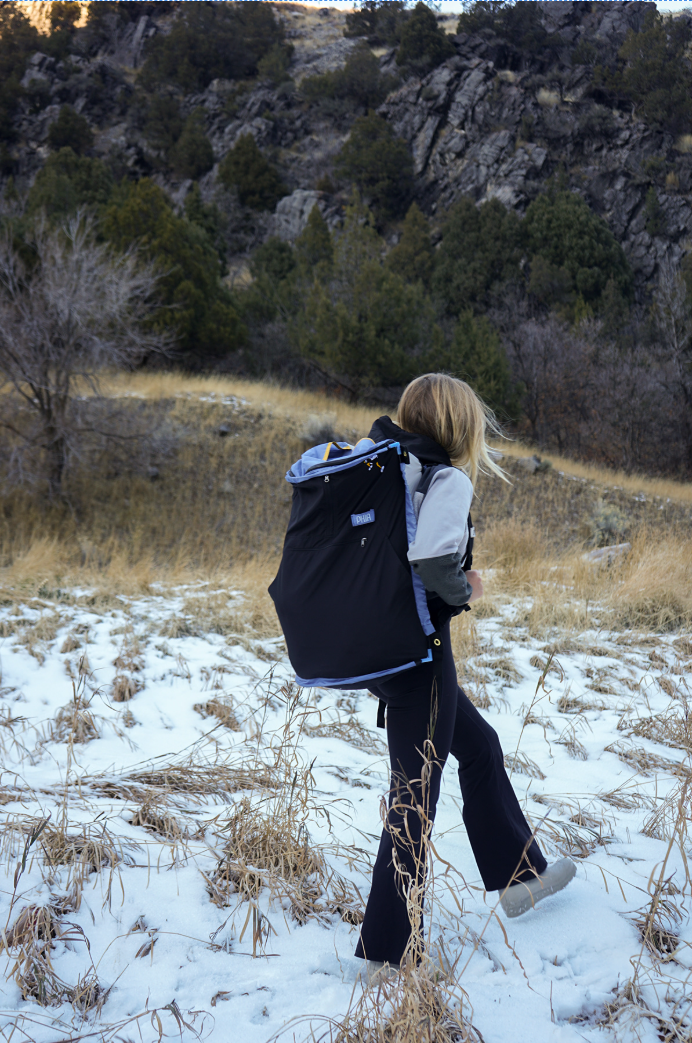
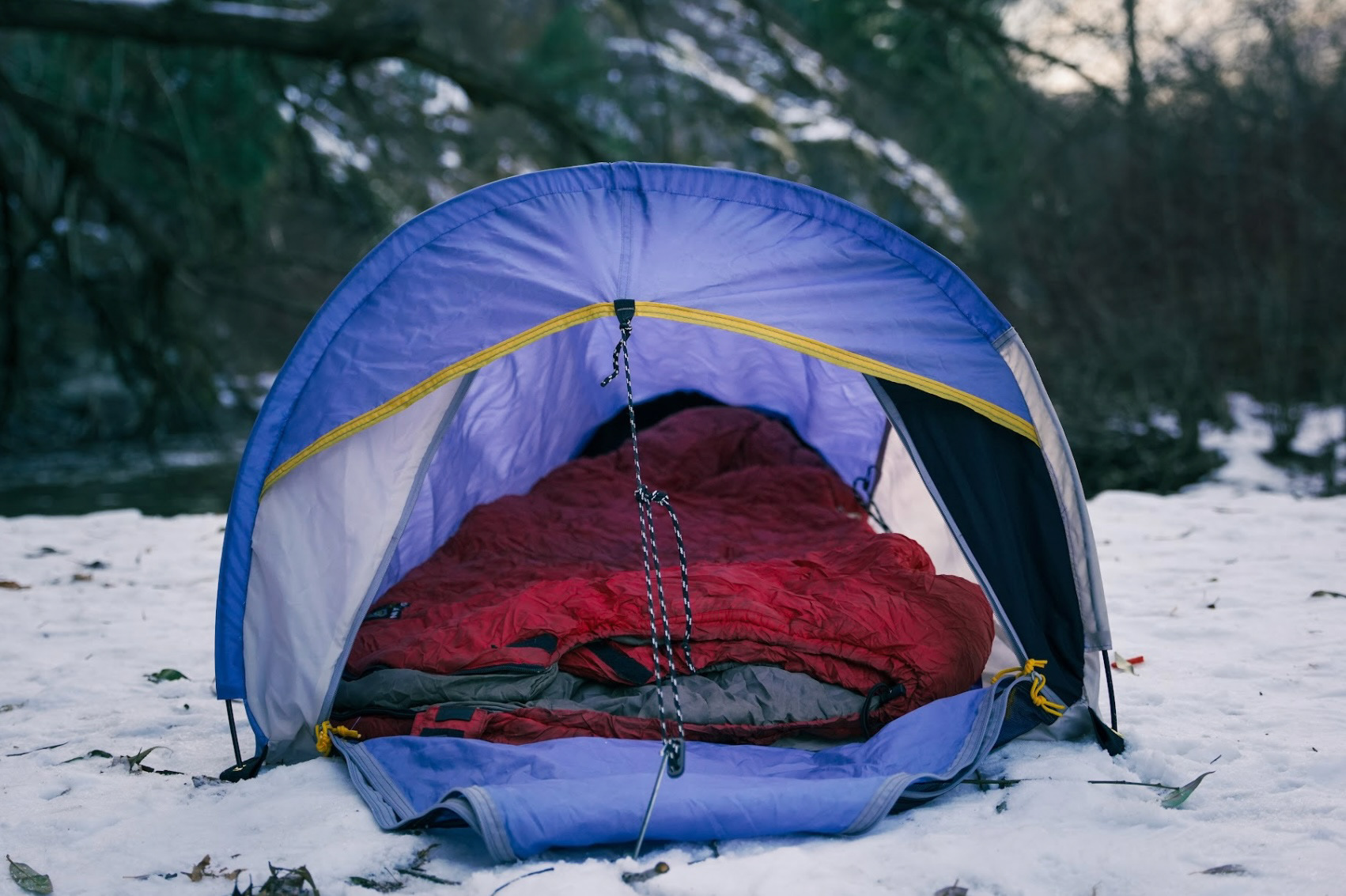
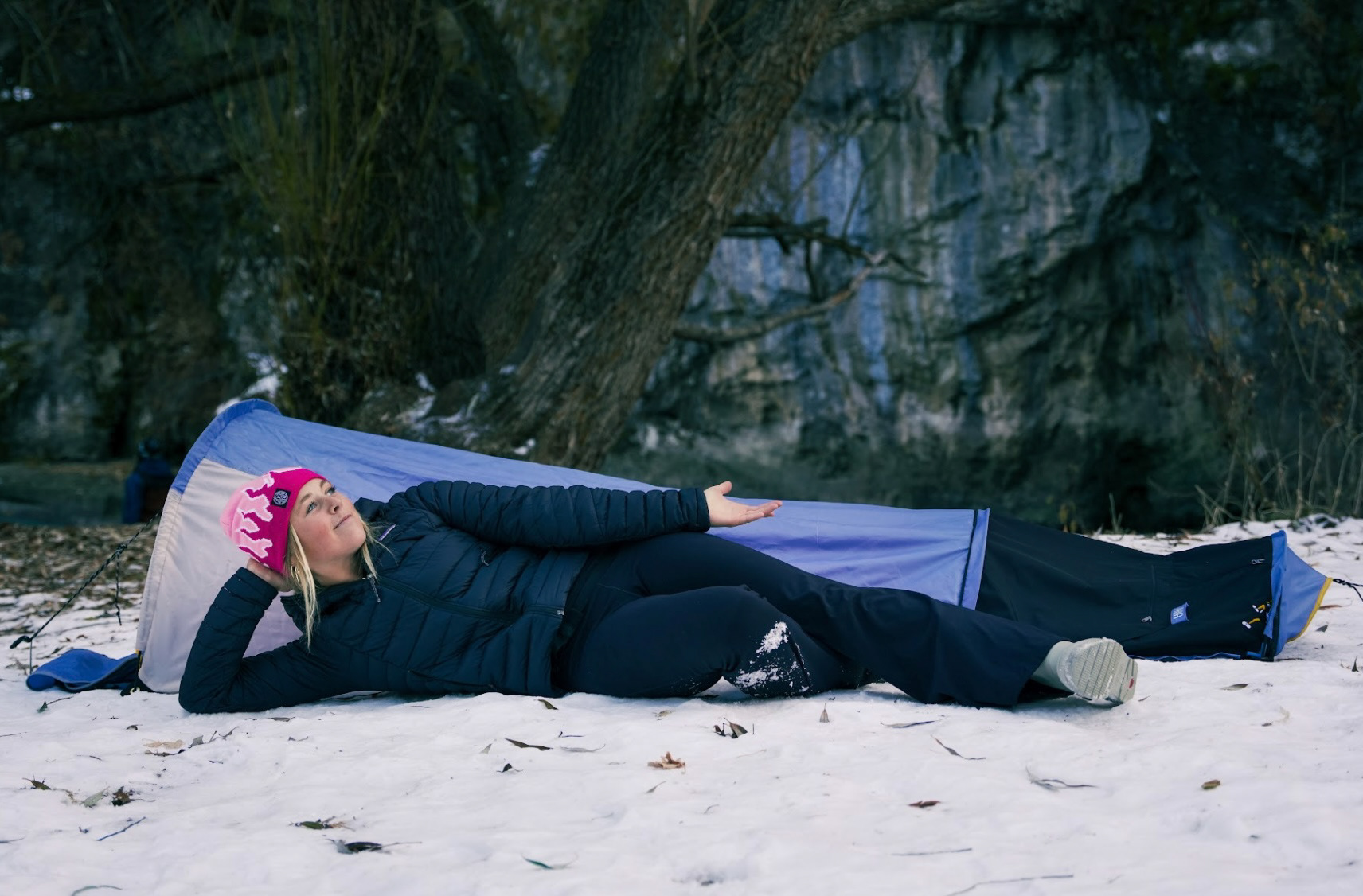
Both a backpack and a tent, the Bodybag eliminates packing weight by combining both functions. Unzipped and stretched out, the Bodybag is a tent, complete with vents, poles, window, and an awning. Packed back together, the same fabric and features convert to a backpack with ample room for a sleeping bag, pad, pillow, and other camping supplies.
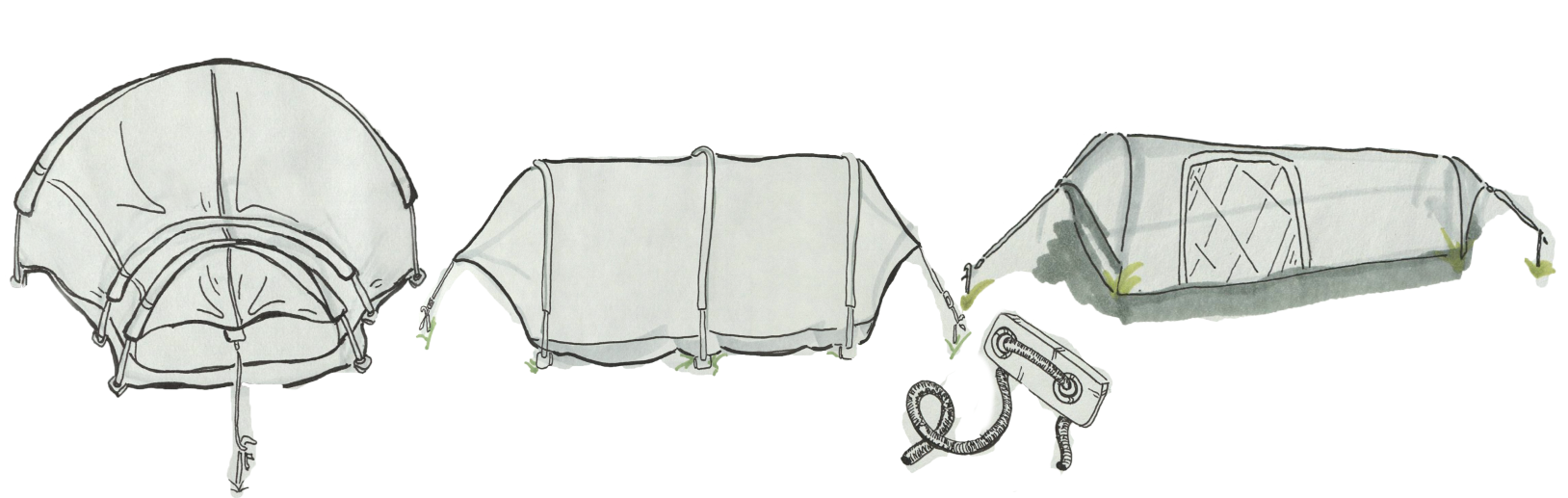
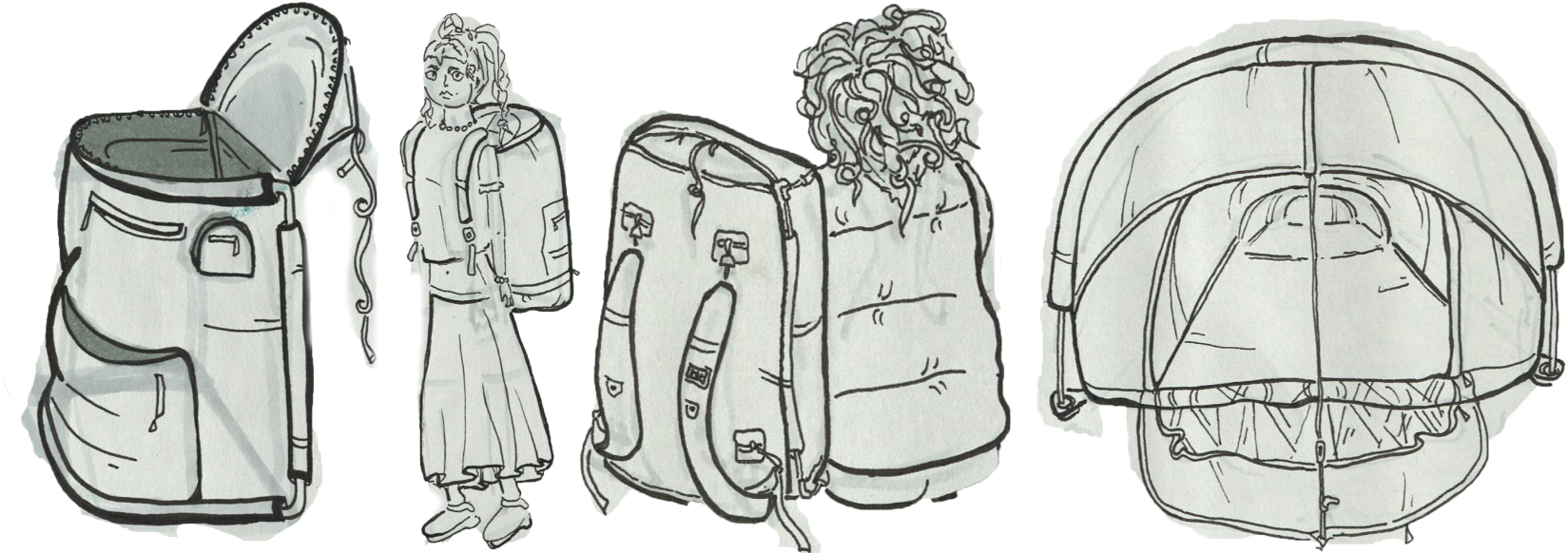
Ideation Sketching
Prototyping
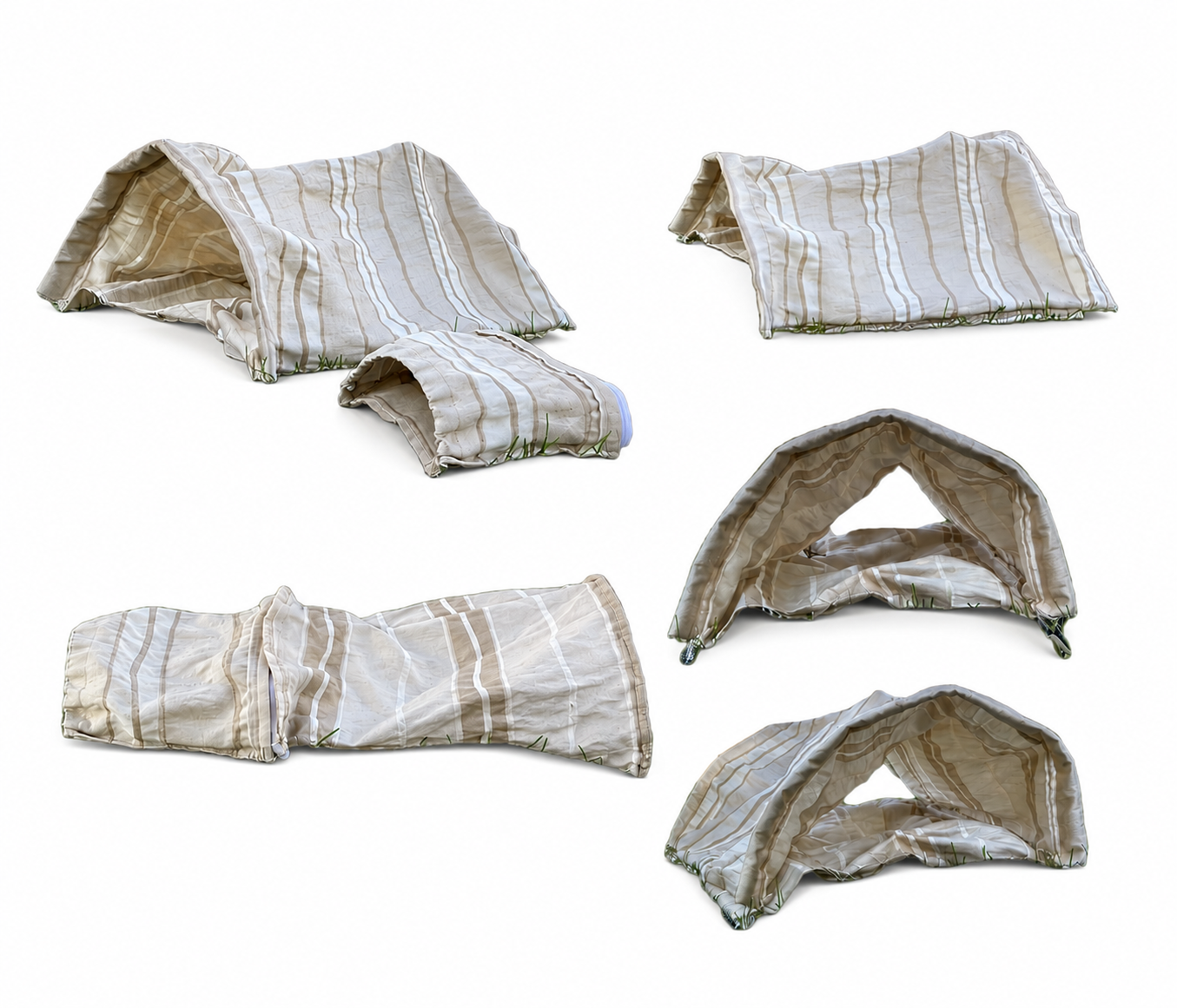
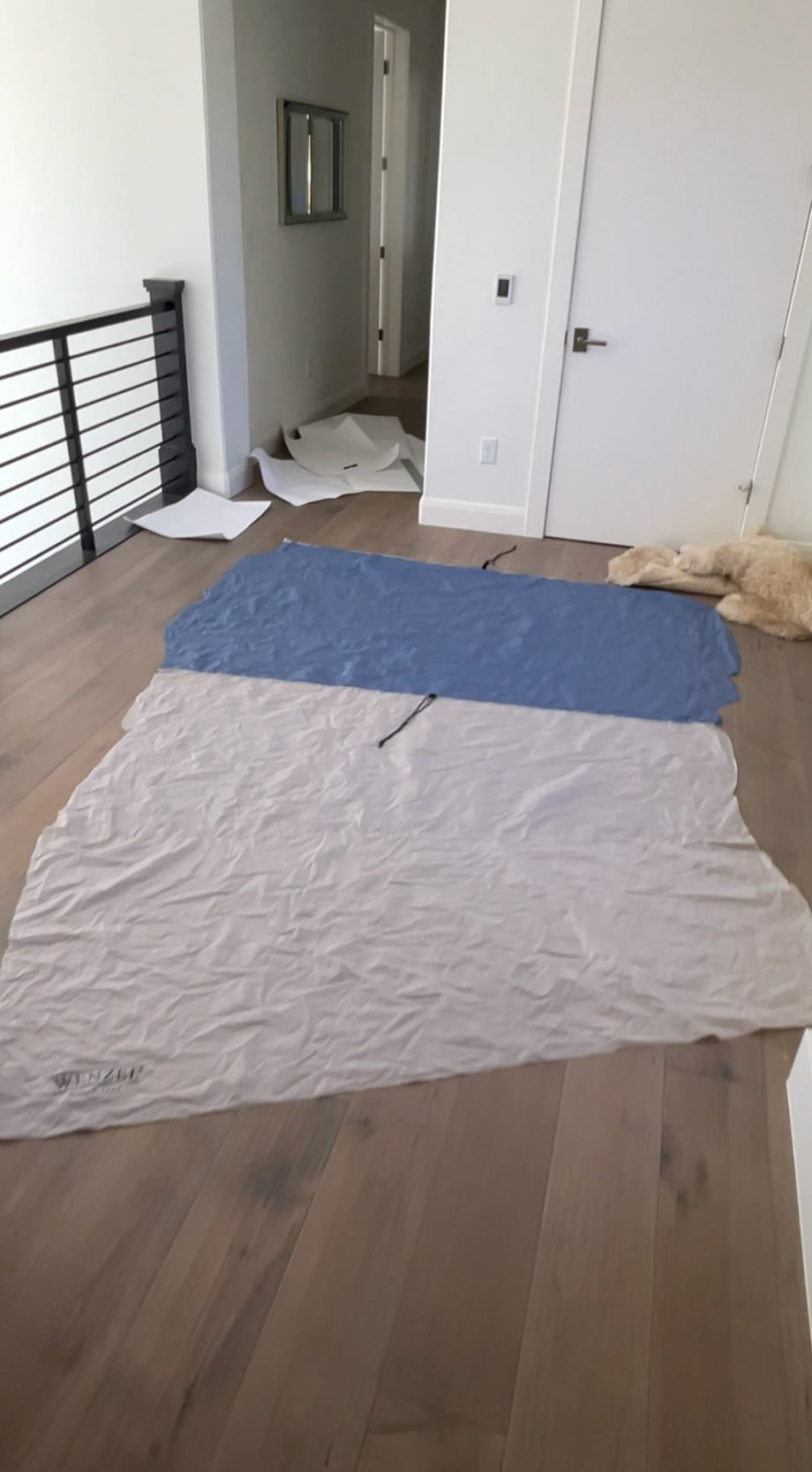
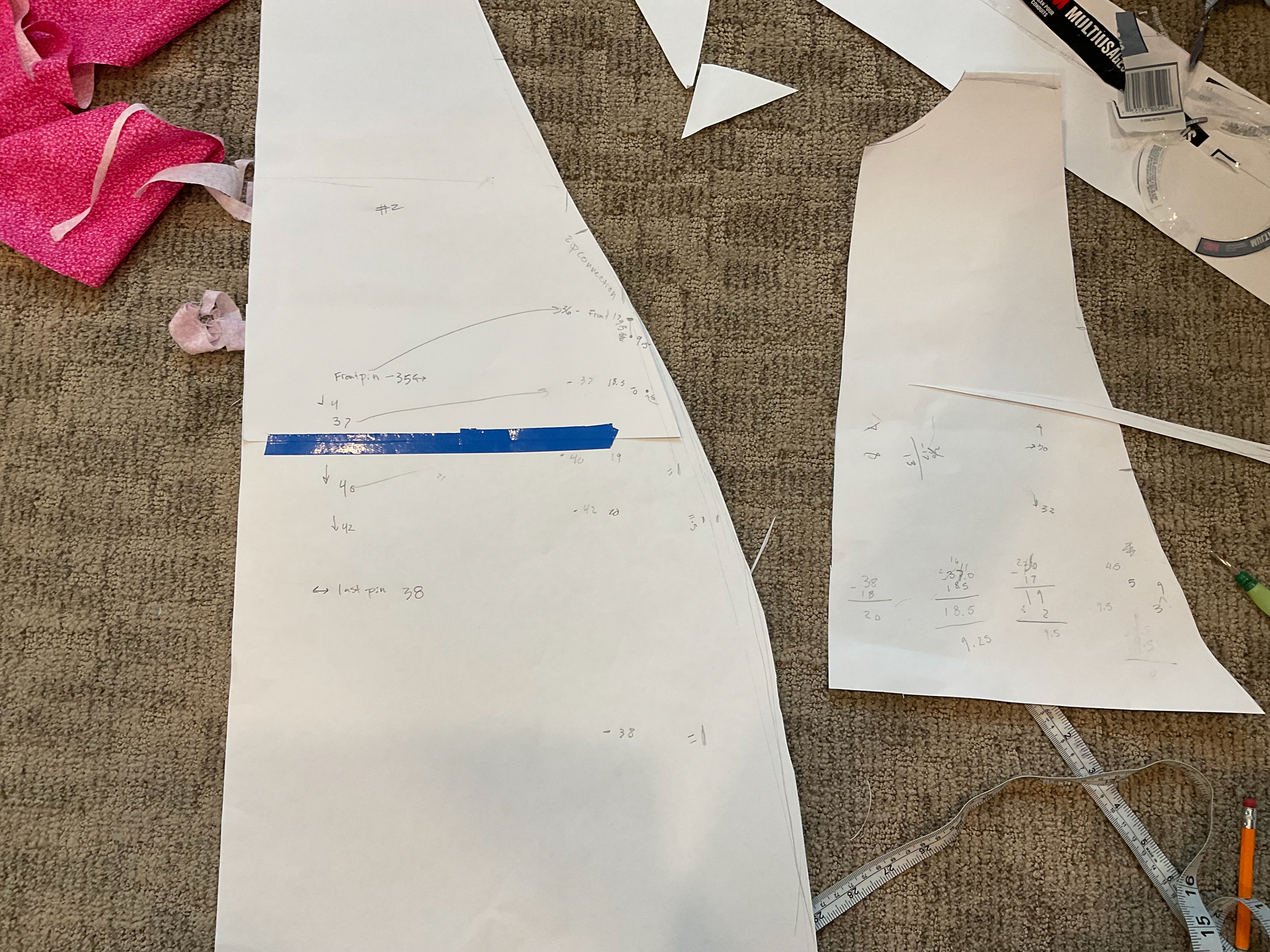
1/2 Scale Prototype:
New pattern and side panels designed to accommodate tent poles for greater stability and customization.
New pattern and side panels designed to accommodate tent poles for greater stability and customization.
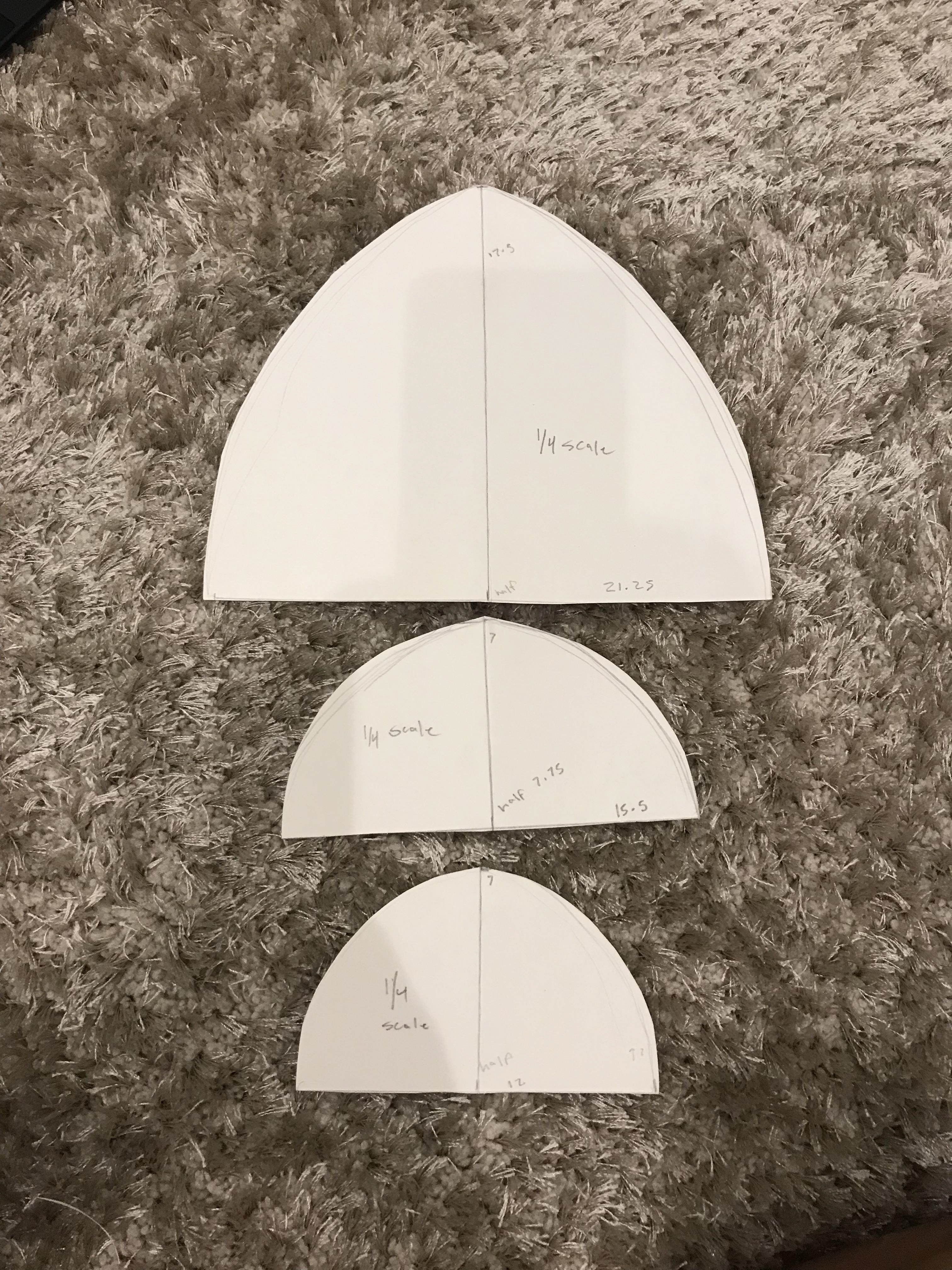
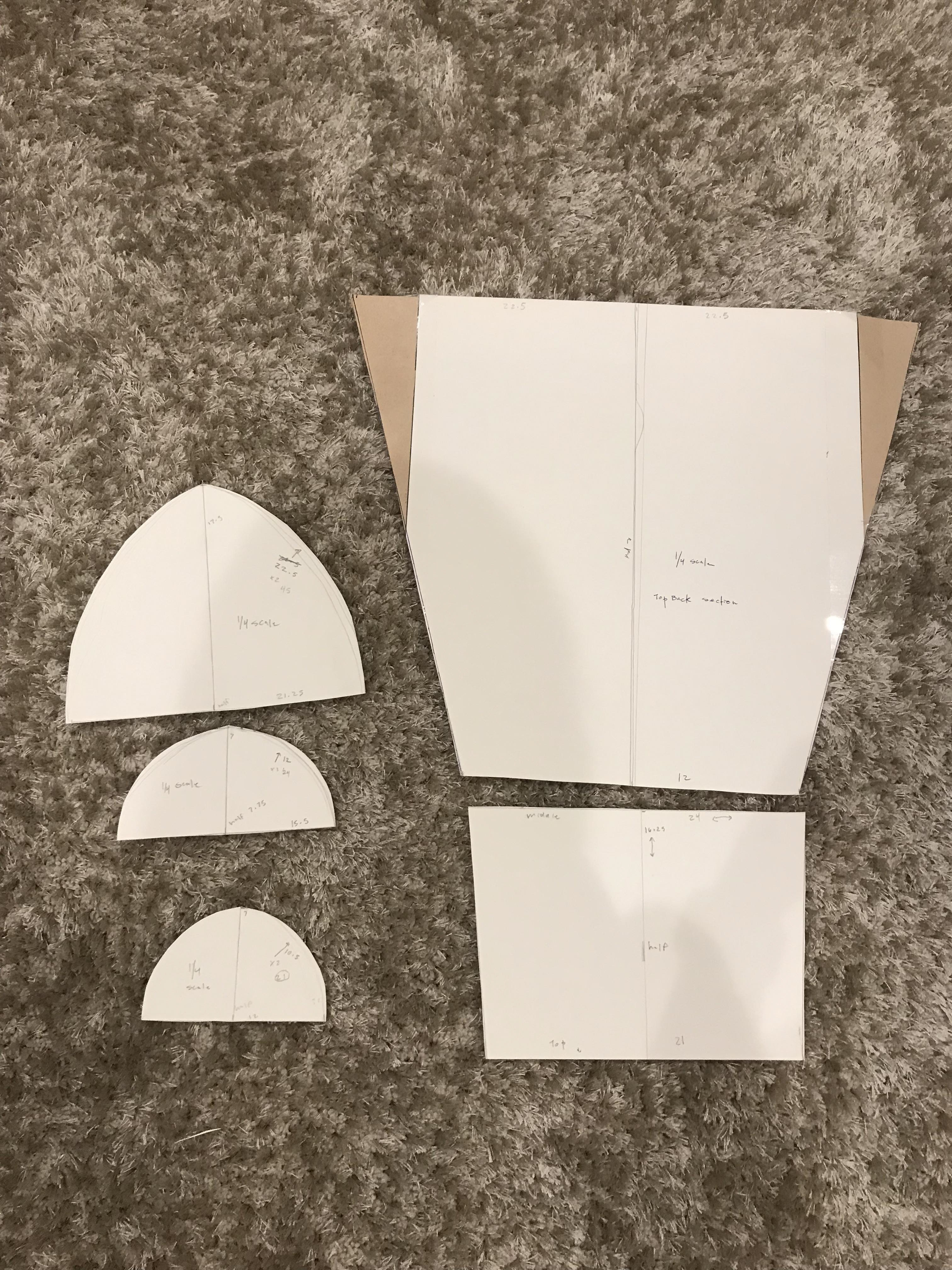
1/4 Scale Prototype:
Made from repurposed materials, including an old shower curtain, clothing hangers, and a salvaged jacket zipper.
Made from repurposed materials, including an old shower curtain, clothing hangers, and a salvaged jacket zipper.
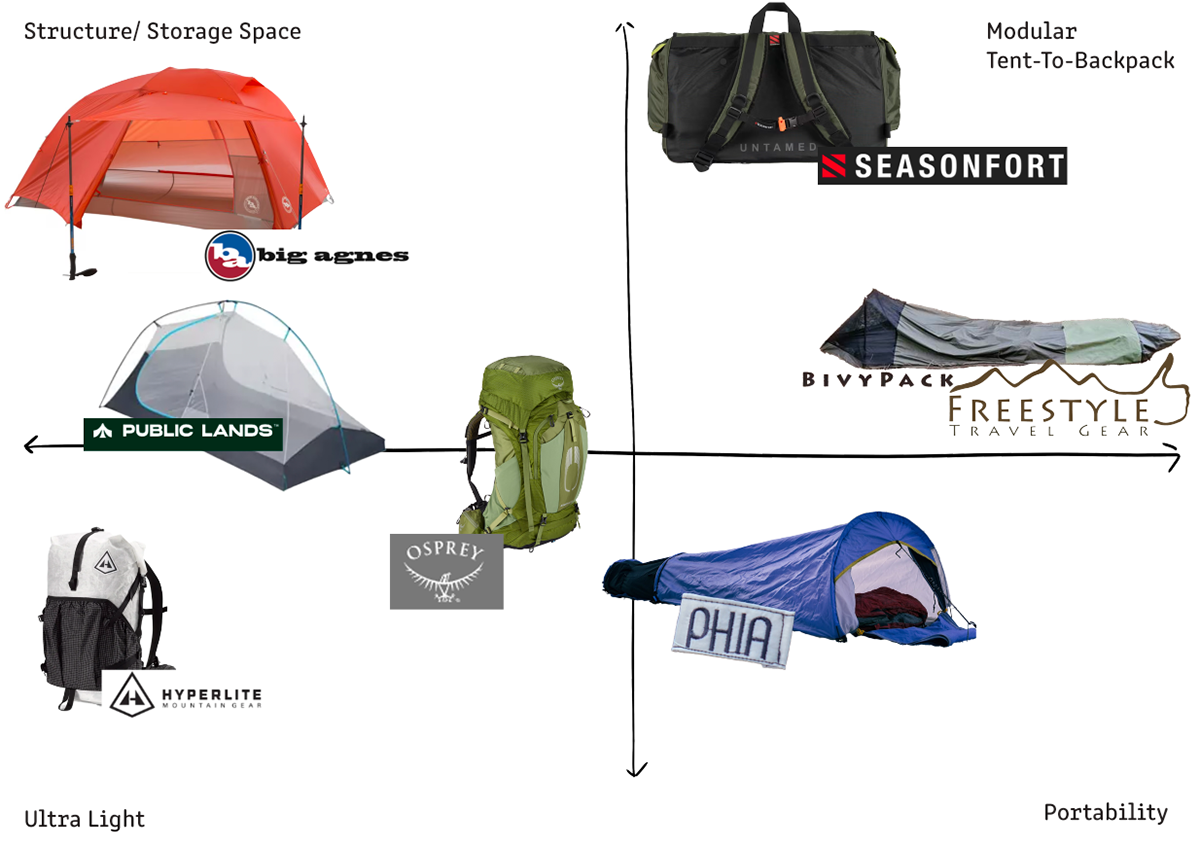
Competitor Research Graph
Many outdoor enthusiasts struggle to find a lightweight, portable tent that offers enough storage and is easy to set up. Current options either sacrifice space for portability or are difficult to assemble, leaving adventurers with a less-than-ideal experience. My project fills this gap by offering a tent that transforms into a backpack, providing storage space and ease of setup, while remaining lightweight and functional for the modern camper.
Final Sketching
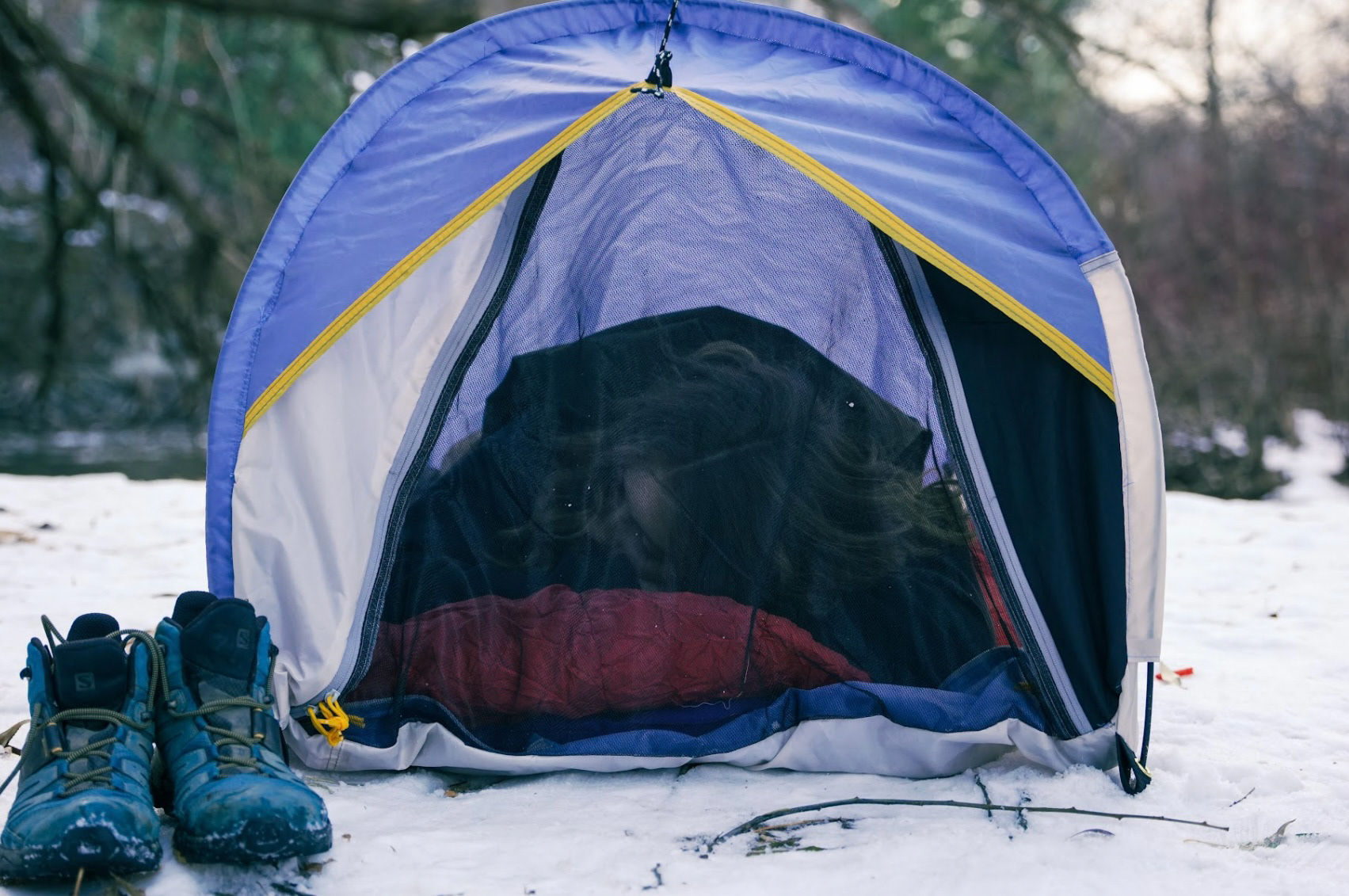
The Bodybag was constructed of all recycled materials—an old raincoat, fabric from a broken tent, and used backpack straps—reconfigured to double the use of the components.

Detail Pictures
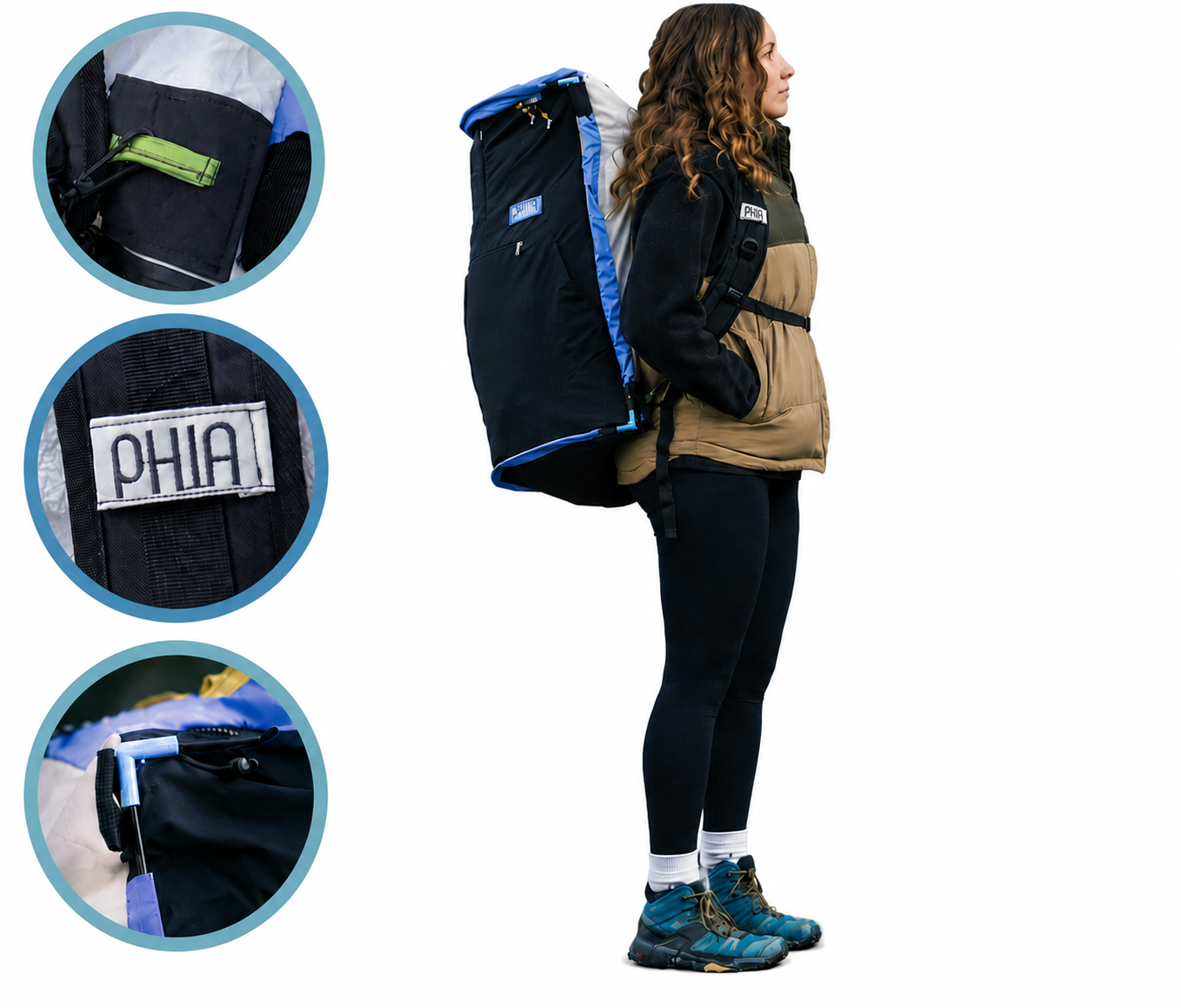
The backpack features detachable straps at the top and bottom, with an entryway pole that folds in half and connects through 3D-printed links. Custom PHIA branding adds a personalized finish, while the connecting components were designed in SolidWorks and 3D-printed.
No weight is wasted on a single-function backpack that sits unused through the night, and only a tiny fraction of the backpack space is forfeit to storing the length of tent material.